20th century
During the 1948 Arab-Israeli War, the village and the surrounding area came under Iraqi control. In March 1949, Jordanian forces replaced the Iraqi forces in Wadi Ara.[19]
On 3 April 1949, Israel and Jordan signed an armistice agreement, in which Israel would receive the Wadi Ara area, including Zalafa.[20] In 1949, Givat Oz was established near the village.[21]
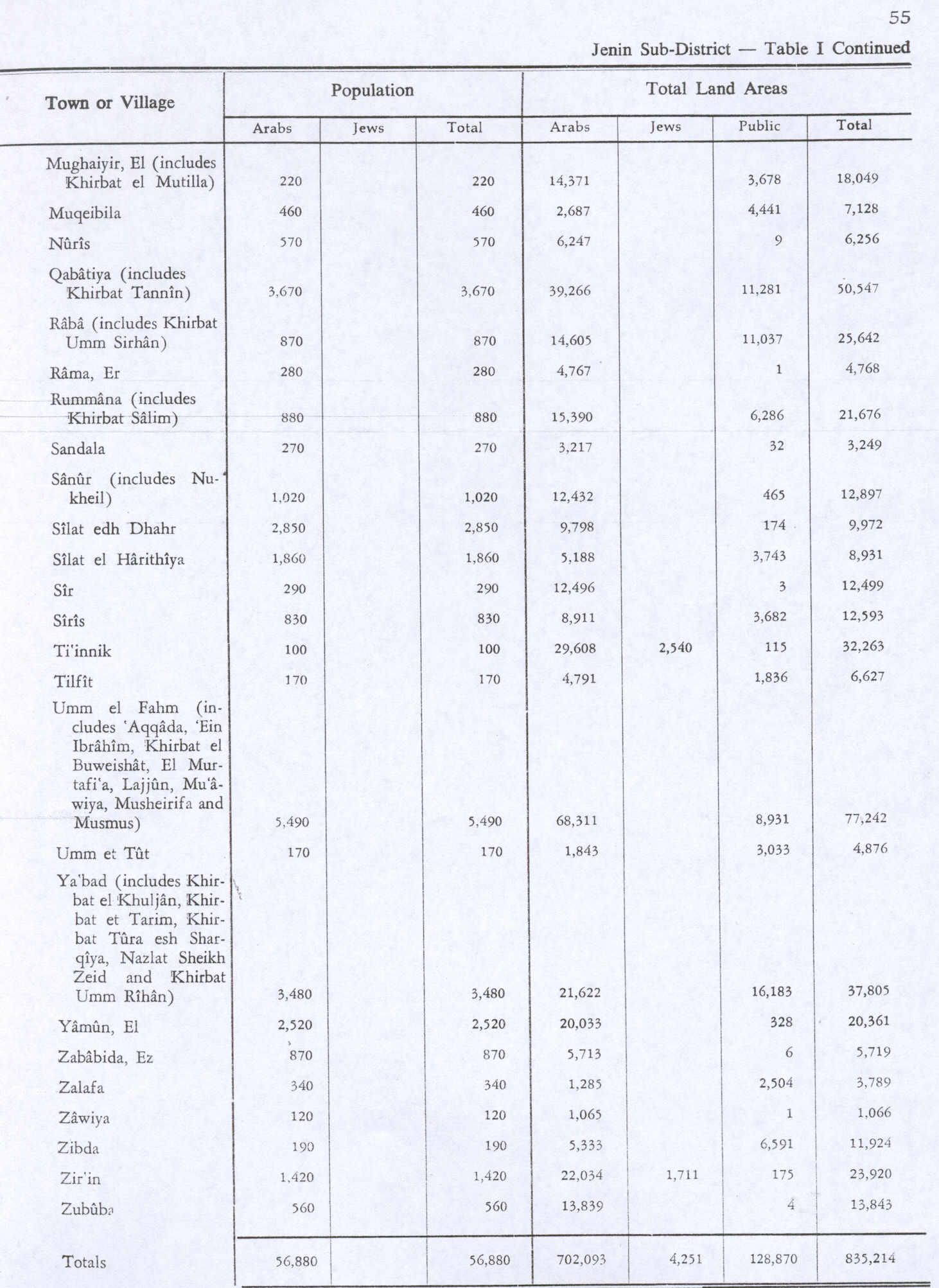
Zalafa is one of the villages of Wadi Ara that lacked municipal status after the establishment of Israel.[22] On 16 January 1979, Interior Minister Yosef Burg offered to establish a local council for Zalafa which would have included nearby Aqqada (800 metres (2,600 ft) from Zalafa), Swisa (1,400 metres (4,600 ft) from Zalafa) and al-Murtafi'a (connected to the village), which were in the municipal boundaries of Umm al-Fahm. The residents of Aqqada and Swisa refused the arrangement and considered their villages as part of Umm al-Fahm, though they already received civil services such as water and education from Zalafa. Burg doubted that Zalafa could bear the financial and administrative burden of having a local council, since the population of Zalafa at the time was 1,700 and with the three other villages, 2,100; thus it would have been a very small local council.[23]
Zalafa was under the administration of mukhtars (village headmen), who were appointed by the Interior Ministry[24] until 1992, when the Interior Ministry established the Nahal Iron regional council, including seven other villages. The locals objected to the administrative arrangement and sought independent municipal status for each village. To allay local concerns, the Interior Ministry established an investigative committee to examine other options, and in 1996, decided to split the regional council into two local councils: Ma'ale Iron, which includes Zalafa, and Basma.[4] Al-Murtafi'a is today part of Zalafa.[5]