History
Sajur is identified with Shazur, an ancient village associated with Simeon Shezuri.[3] According to Jewish traditions, Ishmael ben Elisha ha-Kohen, Simeon Shezuri and Simeon ben Eleazar are buried in Sajur.[4]
Excavations in 1951, 1980 and 1993, on behalf of the Israel Antiquities Authority revealed, respectively, a tomb with 13 loculi that dated to the Roman–Byzantine periods, a tomb with eight or nine loculi dating to the end of the second century CE and a small tomb with a single room dating to the first–second centuries CE. A salvage dig in January 2002, prior to building a car park, revealed a bedrock-hewn cave, devoid of finds, which may have been a tomb, and various unremarkable finds, although the presence of many finds at the bottom of the stratigraphic sequence is evidence of Iron Age occupation at Sajur.[5]
In the Crusader era Sajur was known as Seisor or Saor.[6] In 1249 John Aleman transferred land, including the casalia of Beit Jann, Sajur, Majd al-Krum and Nahf to the Teutonic Knights.[7]
In 1322 Marino Sanuto the Elder showed Sajur on his map, named Seggori.[8]
Ottoman Empire
Sajur was mentioned as a village in the Ottoman defter for the year 1555-6, located in the Nahiya of Acre of the Liwa of Safad. The land was designated as Sahi land, that is, land belonging to the Sultan.[9]
In 1875, Victor Guérin noted that "It is today a small village, inhabited by Druze; it is located on a hill that was once completely covered with houses. At the bottom, some gardens are planted with fig, olive, pomegranate and mulberry trees."[10]
In 1881, the PEF's Survey of Western Palestine (SWP) described it as: "A village, built of stone, containing about 100 Druzes; in the plain, with olives and arable land; water from cisterns and spring near".[11]
A population list from about 1887 showed that Sejur had 190 inhabitants; all Druze.[12]
British Mandate
In the 1922 census of Palestine conducted by the British Mandate authorities, Sajur had a population of 196; 176 Druze, 17 Muslims and 3 Christians,[13] where the Christians were all Orthodox.[14] The population increased in the 1931 census to 254; 141 Druze, 11 Muslims and 2 Christians, in a total of 53 houses.[15]
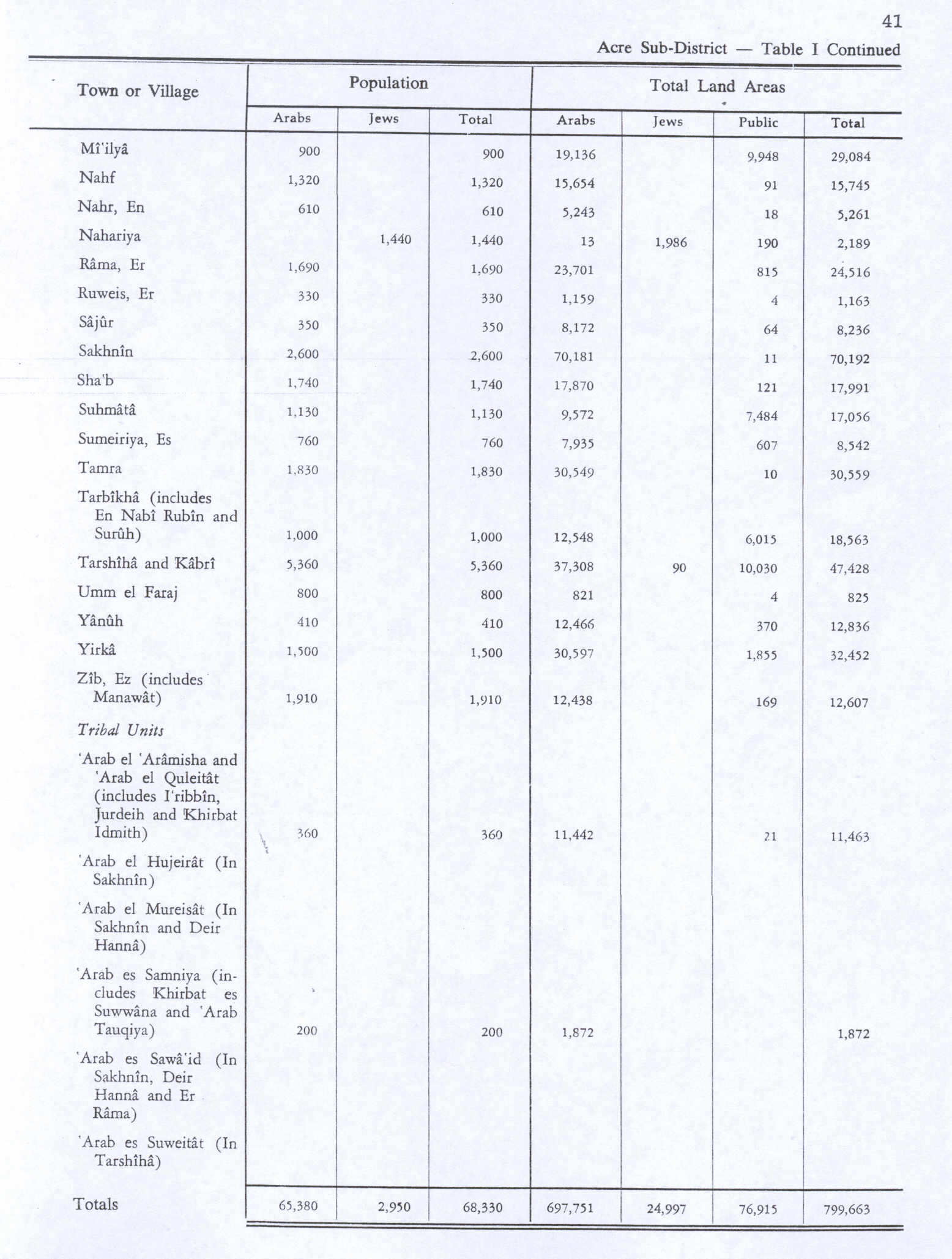
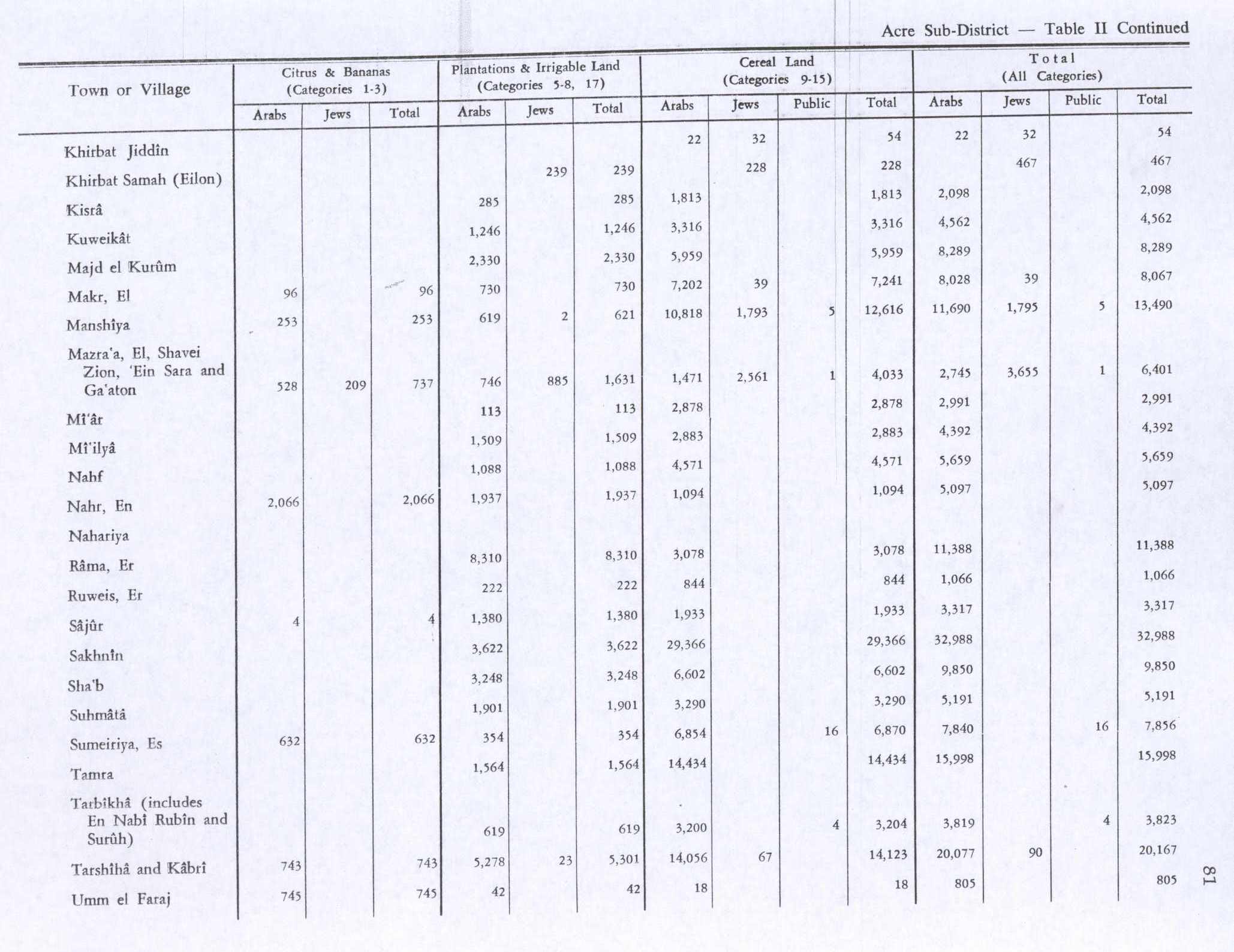
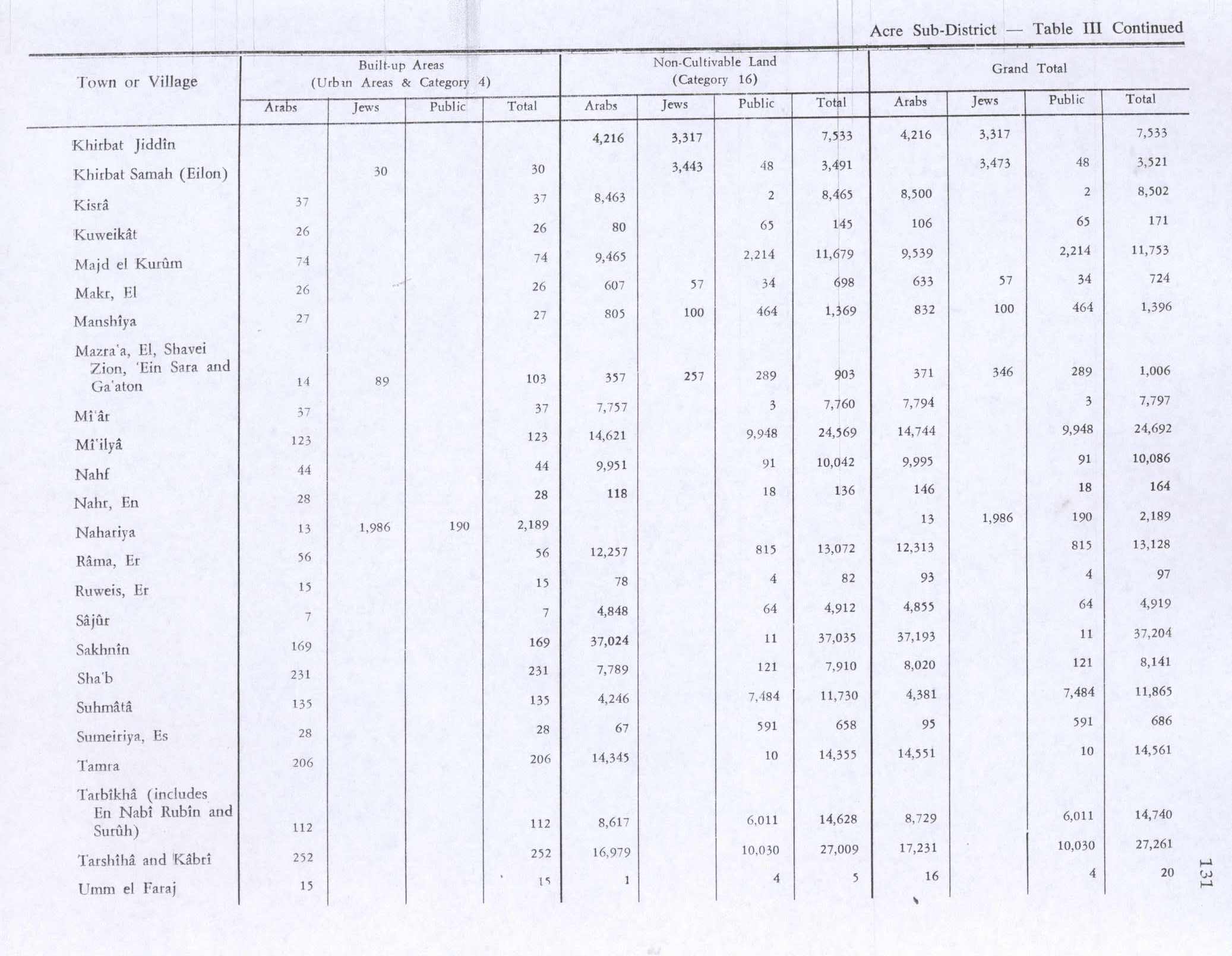
In the 1945 statistics, Sajur had 350 inhabitants; 10 Muslims and 340 classified as “others” (=Druze).[16] They owned a total of 8,172 dunams of land, while 64 dunams were public.[17] 4 dunams were used for citrus and bananas, 1,380 for plantations and irrigable land, 1,933 for cereals,[18] while 7 dunams were built-up (urban) land.[19]
Israel
In 1992, Sajur was recognized as a local council.


.svg)