ENSIKLOPEDIA
Portal:Siberia
 | Portal maintenance status: (November 2020)
|
The Siberia Portal
A portal dedicated to Siberia

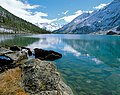
 A view of Katun Nature Reserve, a Russian 'zapovednik' (strict nature reserve) located in the highlands of the central Altai Mountains of south Siberia
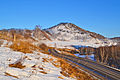 Chuysky tract in Shebalinsky District, on the outskirts of the village of Kamlak. The district is an administrative and municipal district (raion), and one of the ten in the Altai Republic, Russia.
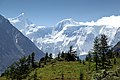 A view of Belukha Mountain. It is located in the Katun Mountains and is the highest peak of the Altai Mountains in Russia, and is the highest of the system of the South Siberian Mountains.


Introduction
Siberia | |
|---|---|
Geographical region | |
 Siberian Federal District |
Siberia (/saɪˈbɪəriə/ sy-BEER-ee-ə; Russian: Сибирь, romanized: Sibir', IPA: [sʲɪˈbʲirʲ] ⓘ) is an extensive geographical region comprising all of North Asia, from the Ural Mountains in the west (with the Ural River usually forming the southernmost portion of its western boundary) to the Pacific Ocean in the east. It has formed a part of the sovereign territory of Russia and its predecessor states since the lengthy conquest of Siberia, which began with the fall of the Khanate of Sibir in 1582 and concluded with the annexation of Chukotka in 1778. Siberia is vast and sparsely populated, covering an area of over 13.1 million square kilometres (5,100,000 mi2) – about three-quarters of Russia's total area, but home to roughly a quarter of Russia's population. Novosibirsk, Krasnoyarsk, and Omsk are the largest cities in the area. Siberia is comparable in area, population, and, to some extent, geography and climate, to Canada.
Since Siberia is a geographic and historical concept rather than a political entity, its territorial borders have no single precise definition. It is further defined as stretching from the territories within the Arctic Circle in the north to the northern borders of Kazakhstan, Mongolia, and China in the south, although the hills of north-central Kazakhstan are also commonly included. The Russian government divides the region into three federal districts (groupings of Russian federal subjects), of which only the central one is officially referred to as "Siberian"; the other two are the Ural (which spans both Europe and western Siberia) and Far Eastern federal districts, named for the Ural and Russian Far East regions that correspond respectively to the western and eastern thirds of Siberia in the broader sense.
Siberia is known for its long, harsh winters, with a January average of −25 °C (−13 °F). Although it is geographically located in Asia, Russian sovereignty and colonization since the 16th century has led to perceptions of the region as culturally and ethnically European. Over 85% of its population are of European descent, chiefly Russian (comprising the Siberian sub-ethnic group), and Eastern Slavic cultural influences predominate throughout the region. Nevertheless, there exist sizable ethnic minorities of Asian lineage, including various Turkic communities—many of which, such as the Yakuts, Tuvans, Altai, and Khakas, are Indigenous—along with the Mongolic Buryats, ethnic Koreans, and smaller groups of Samoyedic and Tungusic peoples (several of whom are classified as Indigenous small-numbered peoples by the Russian government), among many others. (Full article...)
Selected article - show another
.svg)
The Russian Far East (Russian: Дальний Восток России, IPA: [ˈdalʲnʲɪj vɐˈstok rɐˈsʲiɪ]) is a region in North Asia. It is the easternmost part of Russia and the Asian continent, and is coextensive with the Far Eastern Federal District, which encompasses the area between Lake Baikal and the Pacific Ocean. The area's largest city is Khabarovsk, followed by Vladivostok. The region shares land borders with the countries of Mongolia, China, and North Korea to its south, as well as maritime boundaries with Japan to its southeast, and with the United States along the Bering Strait to its northeast.
Although foreign sources often consider the Russian Far East to be a part of Siberia, it has been historically categorized separately from Siberia in Russian regional and cultural schemes (and previously during the Soviet era when it was called the Soviet Far East). (Full article...)
Interesting facts - show different entries

- Stroganina (example pictured) is a popular raw fish dish among native Siberians.
- Yugoslav communist Karlo Štajner survived 17 years in the Gulag camps, and later wrote a book titled Seven Thousand Days in Siberia.
- Tygerberg Zoo sought to breed look-alikes to South Africa's Cape lions, extinct since the 1850s, with two cubs from Novosibirsk Zoo in Siberia.
General topics
- Prehistory of Siberia
- History of Siberia
- Geography of Siberia
- North Asia § Geography
- Demographics of Siberia
- Indigenous peoples of Siberia
- Category:Flora of Siberia – includes flora taxa that are native to Siberia. Taxa of the lowest rank are always included. Higher taxa are included only if endemic.
- Siberia Governorate
- Siberian Republic
- Great Russian Regions
- Trans-Siberian Railway
Need assistance?

Do you have a question about Siberia that you can't find the answer to? Consider asking it at the Wikipedia reference desk.
General images - show new batch

 Image 2The extent of the Siberian Traps showing where lava, tuff, and tuffite were deposited. (map in German) (from Siberian Traps)


 Image 8Indigenous Siberian canoe at Krasnoyarsk Regional Museum, Russia (from Indigenous peoples of Siberia)
 Image 9Indigenous Siberian musical instrument used with throat singing, at Krasnoyarsk Regional Museum, Russia (from Indigenous peoples of Siberia)
 Image 10Ethnographic map of the Soviet Union, 1970 (from History of Siberia)
- Image 12Ethnographic map of the Soviet Union, 1970 (from Indigenous peoples of Siberia)

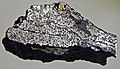 Image 15A sample of Siberian Traps basalt (dark) containing native iron (from the Putorana Plateau) (from Siberian Traps)
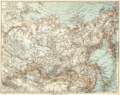 Image 171905 map of Siberia (from History of Siberia)
 Image 18An ethnographic map of 16th-century Siberia, made in the Russian Empire period, between 1890 and 1907 (from Indigenous peoples of Siberia)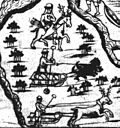
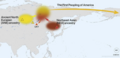 Image 20The map shows the origin of the first wave of humans into the Americas. Involved are the ANE (Ancestral Northern Eurasian, which represent a distinct Paleolithic Siberian population), and the NEA (Northeast Asians, which are an East Asian-related group). The admixture happened somewhere in Northeast Siberia. (from Indigenous peoples of Siberia)
 Image 21The Khanate of Sibir in the 15th and 16th centuries (from History of Siberia)
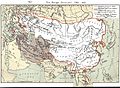 Image 22The Mongol Empire, ca. 1300 (the gray area is the later Timurid Empire) (from History of Siberia)
 Image 23Selkup man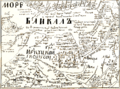
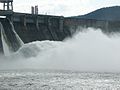

 Image 27An Indigenous Siberian shaman at Kranoyarsk Regional Museum, Russia (from Indigenous peoples of Siberia)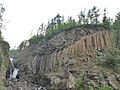

 Image 30Siberian Tatars
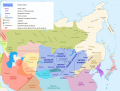 Image 31Siberia in 1636 (from History of Siberia)
 Image 32Siberian River Routes were of primary importance in the process of Russian exploration and conquest of Siberia. (from History of Siberia)

 Image 35Step-like geomorphology at the Putorana Plateau, which is a World Heritage Site (from Siberian Traps)
 Image 36Buryat shaman of Olkhon, Lake Baikal in eastern Siberia (from Indigenous peoples of Siberia)
 Image 38Lamellar armour traditionally worn by the Koryak people (c. 1900) (from Indigenous peoples of Siberia)
 Image 39A Yakut woman in traditional dress (from Indigenous peoples of Siberia)
 Image 40The tower of the 17th-century Russian Ilimsky ostrog, now in Taltsy Museum in Irkutsk, Siberia. (from History of Siberia)
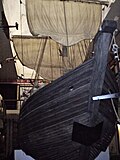 Image 42A 17th-century koch in a museum in Krasnoyarsk. Kochs were the earliest icebreakers and were widely used by Russian people in the Arctic and on Siberian rivers. (from History of Siberia)
 Image 43Tomsk was the largest Siberian city by the end of the 19th century, but was left aside of the Trans-Siberian Railway. (from History of Siberia)
 Image 45Magnitude of Siberian Traps in comparison with other large igneous provinces and bolide impacts (from Siberian Traps)
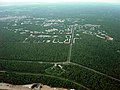
 Image 48Laminar armour from hardened leather reinforced by wood and bones such as this was worn by native Siberians. (from Indigenous peoples of Siberia)


_1.jpg)


_2_(17338266745).jpg)

.png)


_(Zeno_Fotografie).jpg)


_family.jpg)


Related portals

.svg)


WikiProjects

Categories

Trans-Siberian Railway route map
| Trans–Siberian Railway | |||||||||||||||||||||||||||||||||||||||||||||||||||||||||||||||||||||||||||||||||||||||||||||||||||||||||||||||||||||||||||||||||||||||||||||||||||||||||||||||||||||||||||||||||||||||||||||||||||||||||||||||||||||||||||||||||||||||||||||||||||||||||||||||||||||||||||||||||||||||||||||||||||||||||||||||||||||||||||||||||||||||||||||||||||||||||||||||||||||||||||||||||||||||||||||||||||||||||||||||||||||||||||||||||||||||||||||||||||||||||||||||||||||||||||||||||||||||||||||||||||||||||||||||||||||||||||||||||||||||||||||||||||||||||||||||||||||||||||||||||||||||||||||||||||||||||||||||||||||||||||||||||||||||||||||||||||||||||||||||||||||||||||||||||||||||||||||||||||||||||||||||||||||||||||||||||||||||||||||||||||||||||||||||||||||||||||||||||||||||||||||||||||||||||||||||||||||||||||||||||||||||||||||||||||||||||||||||||||||||||||||||||||||||||||||||||||||||||||||||||||||||||||||||||||||||||||||||||||||||||||||||||||||||||||||||||||||||||||||||||||||||||||||||||||||||||||||||||||||||
| |||||||||||||||||||||||||||||||||||||||||||||||||||||||||||||||||||||||||||||||||||||||||||||||||||||||||||||||||||||||||||||||||||||||||||||||||||||||||||||||||||||||||||||||||||||||||||||||||||||||||||||||||||||||||||||||||||||||||||||||||||||||||||||||||||||||||||||||||||||||||||||||||||||||||||||||||||||||||||||||||||||||||||||||||||||||||||||||||||||||||||||||||||||||||||||||||||||||||||||||||||||||||||||||||||||||||||||||||||||||||||||||||||||||||||||||||||||||||||||||||||||||||||||||||||||||||||||||||||||||||||||||||||||||||||||||||||||||||||||||||||||||||||||||||||||||||||||||||||||||||||||||||||||||||||||||||||||||||||||||||||||||||||||||||||||||||||||||||||||||||||||||||||||||||||||||||||||||||||||||||||||||||||||||||||||||||||||||||||||||||||||||||||||||||||||||||||||||||||||||||||||||||||||||||||||||||||||||||||||||||||||||||||||||||||||||||||||||||||||||||||||||||||||||||||||||||||||||||||||||||||||||||||||||||||||||||||||||||||||||||||||||||||||||||||||||||||||||||||||||


External media

Most populated areas

Associated Wikimedia
The following Wikimedia Foundation sister projects provide more on this subject:
-
 Commons
Free media repository -
 Wikidata
Free knowledge base -
 Wikiquote
Collection of quotations -
 Wikisource
Free-content library -
 Wikiversity
Free learning tools -
 Wiktionary
Dictionary and thesaurus


